News - 14 May 2026
Joint force of ‘sheer emotion’
In a historic first for Dunedin, the New Zealand Symphony Orchestra and Dunedin Symphony Orchestra will perform side by side on the stage of the Dunedin Town Hall. Pictured are conductor James Judd, soloists Anna Leese (soprano) and Deborah Humble (mezzo soprano), together with some principals and players from both orchestras - ODT 14 May 2026

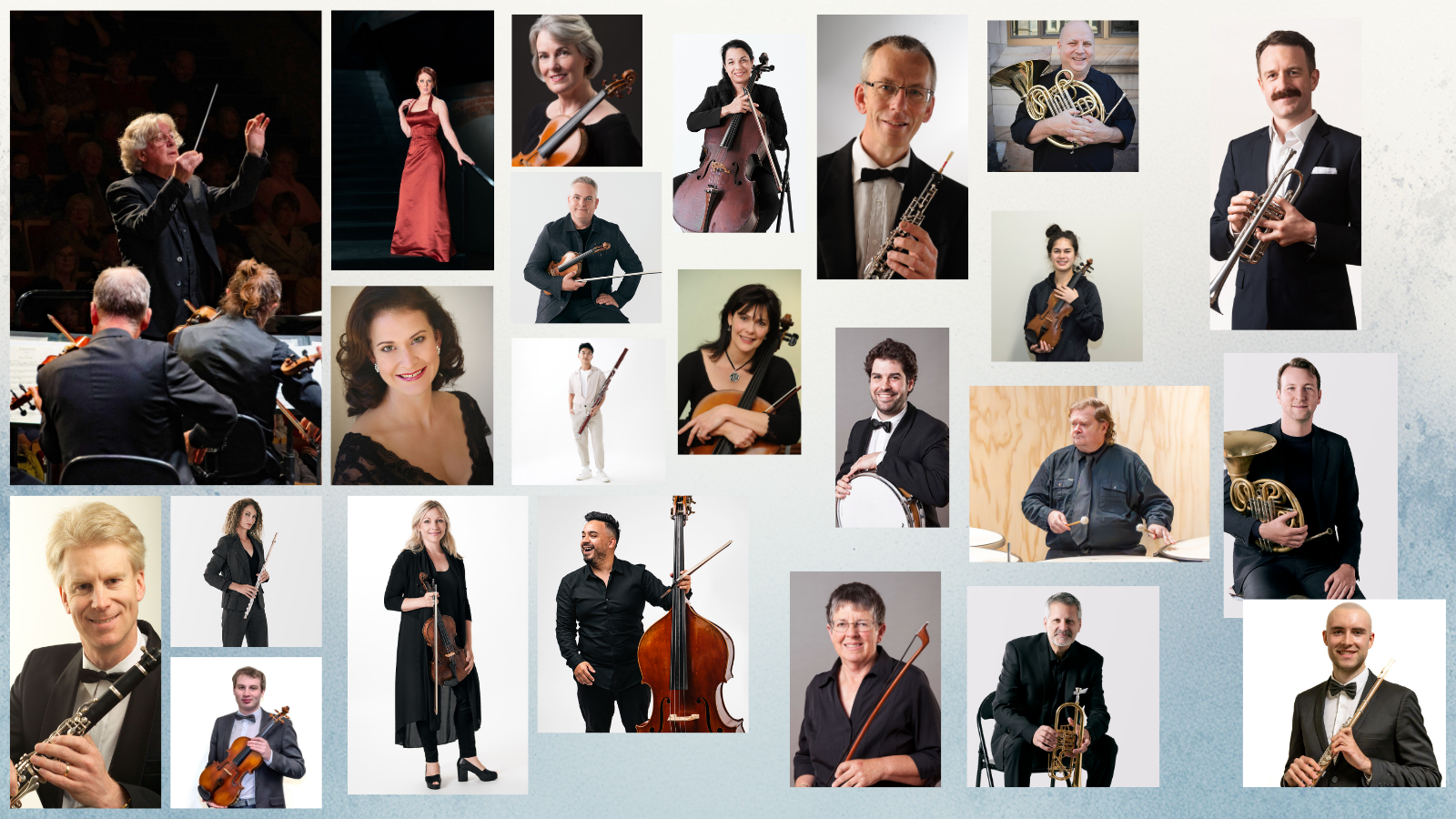
Mahler’s Resurrection is one of the most significant works any orchestra can perform, also requiring a choir and soloists but add in another orchestra, it becomes a major undertaking, finds Rebecca Fox.
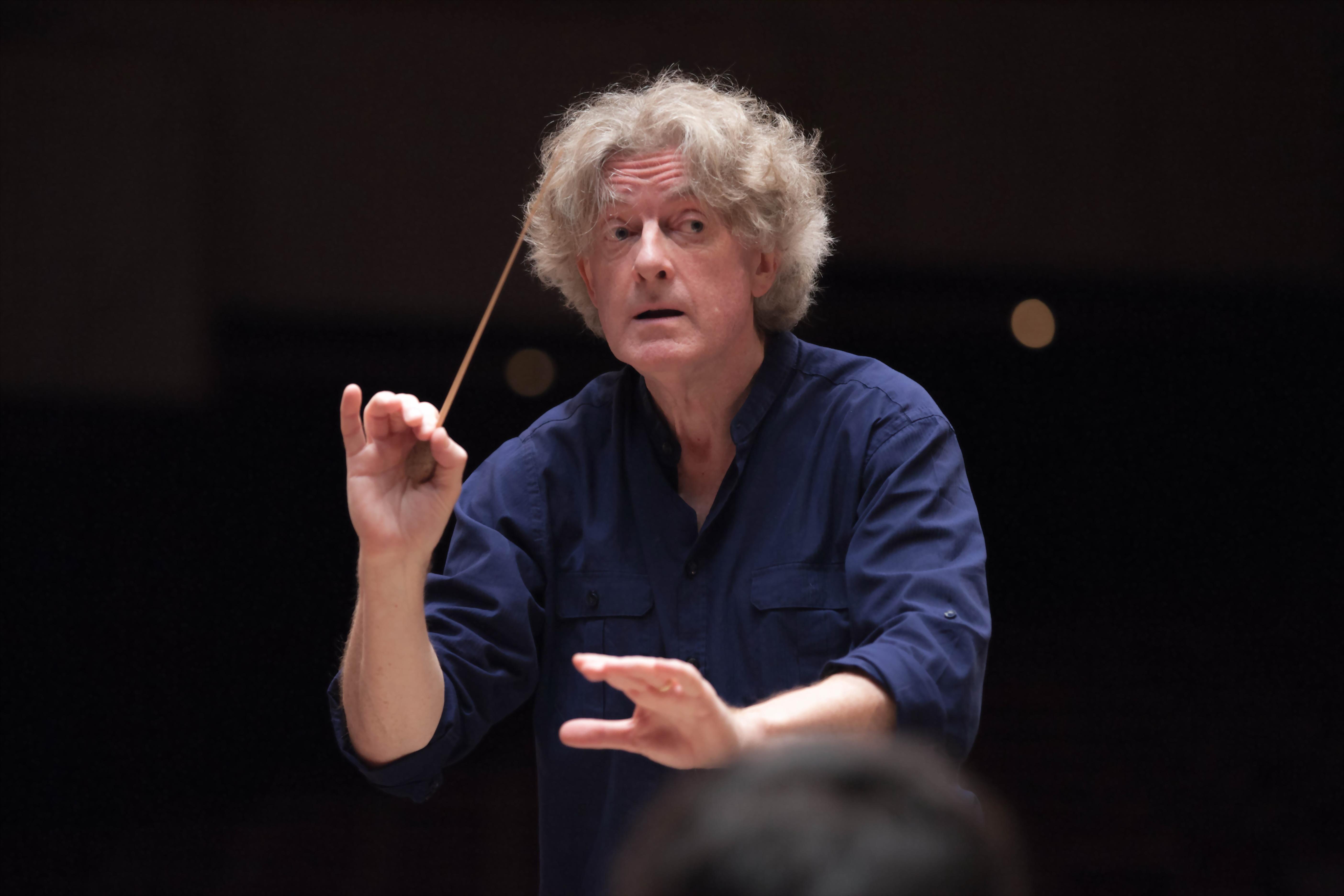
When the idea of two orchestras who had never worked together before performing Mahler’s Resurrection came up, conductor James Judd thought it was ‘‘a bit crazy’’.
He and some musicians, including former Dunedin flautist Bridget Douglas, were chatting about a possible programme for the upcoming New Zealand Symphony Orchestra (NZSO) and Dunedin Symphony Orchestra (DSO) concert when ‘‘why not Mahler?’’ was uttered.
But then Judd, the chosen conductor for the event as music director emeritus of the NZSO and the DSO’s principal guest conductor, thought actually, it is a piece the two orchestras practically could put together.
‘‘I mean, it’s a huge and demanding work for all the musicians. But it’s a natural one.’’
Gustav Mahler’s second symphony Resurrection premiered in 1895 and is considered the ‘‘Mt Everest’’ of classical music as it requires a huge orchestra and chorus following a narrative from death to life, beginning with a funeral march and ending with the triumph of resurrection.
It is a work Judd knows well. He conducted it for his farewell concert as NZSO musical director in 2007 and his very first performance of it was as a student in London.
‘‘That’s the last century, of course: well into the last century. And I’ve been in love with the symphony forever. For any orchestra, it doesn’t come around very often. And so — any chance to do it.’’
It is the ‘‘sheer emotion’’ of the piece that is its attraction.
‘‘It’s got this magical, powerful emotion. The power of the emotion, the way he builds the climaxes with both orchestra and chorus is and should be in any good performance completely overwhelming.
‘‘For a conductor, it’s one of those pieces you look forward to: it’s always a highlight of your musical year.’’
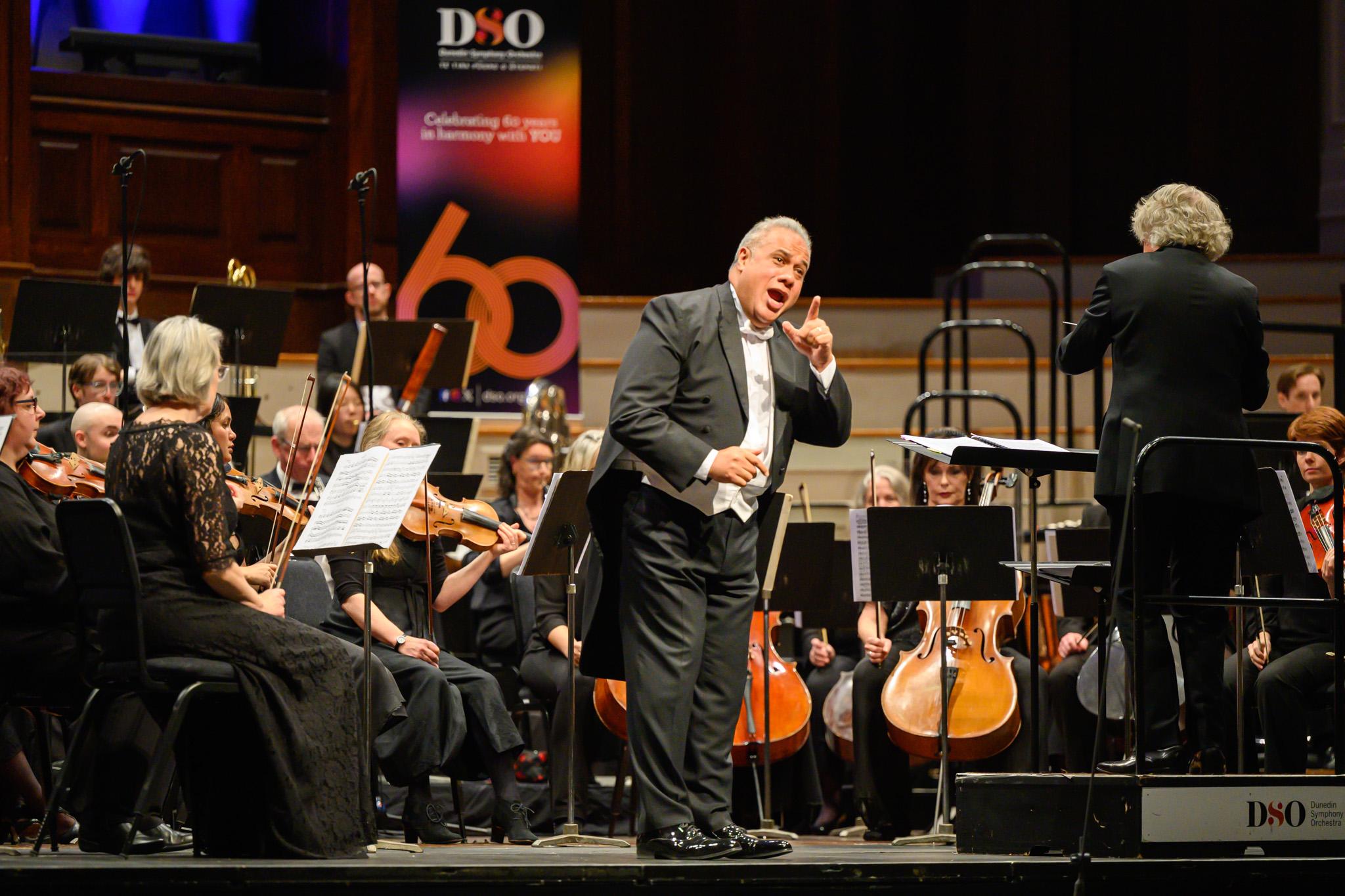
To bring it to life in Dunedin, the NZSO and DSO will perform side by side on the Dunedin Town Hall stage, accompanied by a 150-member City Choir Dunedin and soloists — soprano Anna Leese and mezzo-soprano Deborah Humble.
‘‘This will be the first time this combination of musicians has ever played together. So it’s a huge thing,’’ Judd says.
‘‘But in both orchestras, you have such fabulous musicians and such enthusiasm for playing this piece. So it’ll be a challenge for all of us.’’
Another reason to do it is the ability to perform it at the Dunedin Town Hall, he says.
‘‘The Dunedin Town Hall is a dream venue for this piece. Probably the best venue for it in New Zealand, as a matter of fact, because you need the size and its kind of acoustic. And of course the organ is part of it too.’’
It also requires a small off-stage orchestra, and trumpet and horn players who come on stage for a short time.
‘‘At one point, there’s a beautiful section where the off-stage orchestra, which are brass and timpani and percussion, they are playing together with the orchestra on stage in a couple of episodes. And that’s supposed to be very much in the distance, representing something in the heavens or, you know, in the spirit world.’’
For one orchestra to do it is a huge undertaking, but to bring two together makes it even more so.
‘‘So there is a lot of stage management concern. And, you know, you will have close to 150 in the chorus and 100 on stage, I guess, in the orchestra. So there’s a lot of moving parts.’’
However, the music is almost the easiest part to be contemplating, he says.
‘‘But the lovely thing is that everybody is working together in such a collegial way.
‘‘There’s so much that could be problematic, but isn’t, because of the goodwill, and both orchestras know each other so well.’’
Judd believes the music helps with the logistics as Mahler asks for a five-minute break after the first movement.
‘‘The reason for that is a psychological one, because the giant first movement is the kind of death of the hero of the first symphony. And it takes us to that place. And then he wanted this break, because the starting simplicity of the earthly life of the second movement — it’s just another world.’’
Then the music leads to other movements of the symphony, to the ‘‘extraordinary’’ finale where the spiritual and earthly world meet.
But the break also provides the opportunity to have the principals of the DSO play in the principal positions in the first movement. And then swap chairs for the NZSO to take over doing principal for the second movement and onwards.
‘‘There are nice little things like that, that we can do and experience totally in the spirit of what Mahler — might have even written it for this collaboration.’’
Douglas says to be sitting on stage together with the DSO and swapping seats makes it a ‘‘real shared collaborative experience’’.
‘‘We’re equal partners which will be lovely and it’s always amazing in the town hall.’’
Judd can only remember one other time two orchestras of this level performed together — the NZSO and the Auckland Philharmonia about 15 years ago.
‘‘It’s not so often that we have the opportunity anywhere in the world to do this, to be really honest, because everybody’s busy doing their own things and these things don’t come cheaply. And it requires a special sort of relationship with the two orchestras.’’
As it is a concert celebrating the DSO’s 60th anniversary, a piece by Dunedin composer Anthony Ritchie Fanfare Kotahitanga will be premiered at the start of the evening to segue into the Mahler.
Judd says Ritchie was very kind to create something just for a few minutes to ‘‘just get everybody’s ears ready’’ for the Mahler.
‘‘And he’s such a great composer. We’re so lucky to have him in Dunedin; his works are phenomenal and much admired.’’
So the concert is meaningful on many levels, Judd says.
‘‘It’s not it’s not just like another performance. It’s going to be something of real significance and just real friendship.’’
DSO production manager Tony Tarasiewicz says the structure of the event is the same as any other just on a bigger scale requiring a lot of planning by both orchestras.
‘‘It’s the first time that we’ve worked with NZSO, which is great. I think it’s a fantastic opportunity, not just for the players and the choir and the audience, but also for me in production and others as well.’’
To fit it all on the town hall stage they are using the 8m extension, which will project the players out into the hall.
Extra lighting is being brought in to illuminate the choir, and audio and visual feeds for the backstage band with no delays. This requires a camera on the conductor so the band can see and play in time.
Recording the concert is also proving to be another logistical issue as the performance is so vast. But local recording and sound engineers do a great job, Tarasiewicz says.
‘‘I can’t stress the importance of having people that you can rely and trust upon and really know their area of expertise and how professional they are. You know, we’re very reliant on them, but it’s good that we use local as well and they’re tried and trusted.’’
There is also the issue of fitting everyone in off-stage before, during and after the concert, as the spaces traditionally used for that are required for the off-stage orchestra.
‘‘So we’re going to have both orchestras gather in the Glenroy [auditorium, next door], and that’s where they’ll have their breaks and tea and coffee and refreshments and so forth.’’
He will be taking advantage of being backstage with the NZSO crew to learn and improve on what he does.
‘‘I think what we all do in our own way is to plan and communicate as best we can and then try and fill in the gaps, and that’s probably what keeps you awake at night.’’
TO SEE
Mahler's ‘‘Resurrection" — DSO and NZSO Unite' - Friday, May 15, 7.30pm, Dunedin Town.
Share article:
Other News & Reviews




Stay Tuned.
Keep current about all things DSO.


2026 Dunedin Symphony Orchestra
(Registered as Dunedin Civic Orchestra Incorporated. Registered Charity CC34031.
Address
PO Box 5571
Dunedin 9054
New Zealand
Hanover Hall
65 Hanover Street
Dunedin 9016
New Zealand








Address
PO Box 5571
Dunedin 9054
New Zealand
Hanover Hall
65 Hanover Street
Dunedin 9016
New Zealand
Connect


2026 Dunedin Symphony Orchestra
(Registered as Dunedin Civic Orchestra Incorporated. Registered Charity CC34031.