News - 30 Apr 2026
Introducing Deborah Humble : Mezzo-soprano in 'Mahler's Resurrection'
I’m delighted to join DSO and NZSO for this milestone and to be part of such a remarkable collaboration. Mahler’s Second Symphony is the perfect work for this occasion.


In Mahler’s Resurrection Symphony, the mezzo-soprano introduces the deeply reflective “Urlicht” movement before the vast choral finale. What does this moment mean to you?
Singing Urlicht feels like stepping into the still point at the centre of Mahler’s vast emotional universe. The turbulence of the earlier music falls away, and the mezzo’s entrance is deliberately human-sized: a single voice offering a direct, unguarded plea. The soft opening line and the purity of the music ask the singer to deliver the text with honesty rather than operatic display. It is a moment of simplicity and sincerity within an immense work.
Mahler’s Second Symphony traces a journey from darkness to hope. How do you experience that transformation?
Urlicht is the moment where the individual soul speaks alone. When the orchestra erupts at the start of the final movement, it feels momentous – a private prayer suddenly opened to the universe. As the chorus enters, the emotional scale expands beyond anything a single voice could convey, transforming that solitary longing into a powerful communal affirmation of hope and redemption.
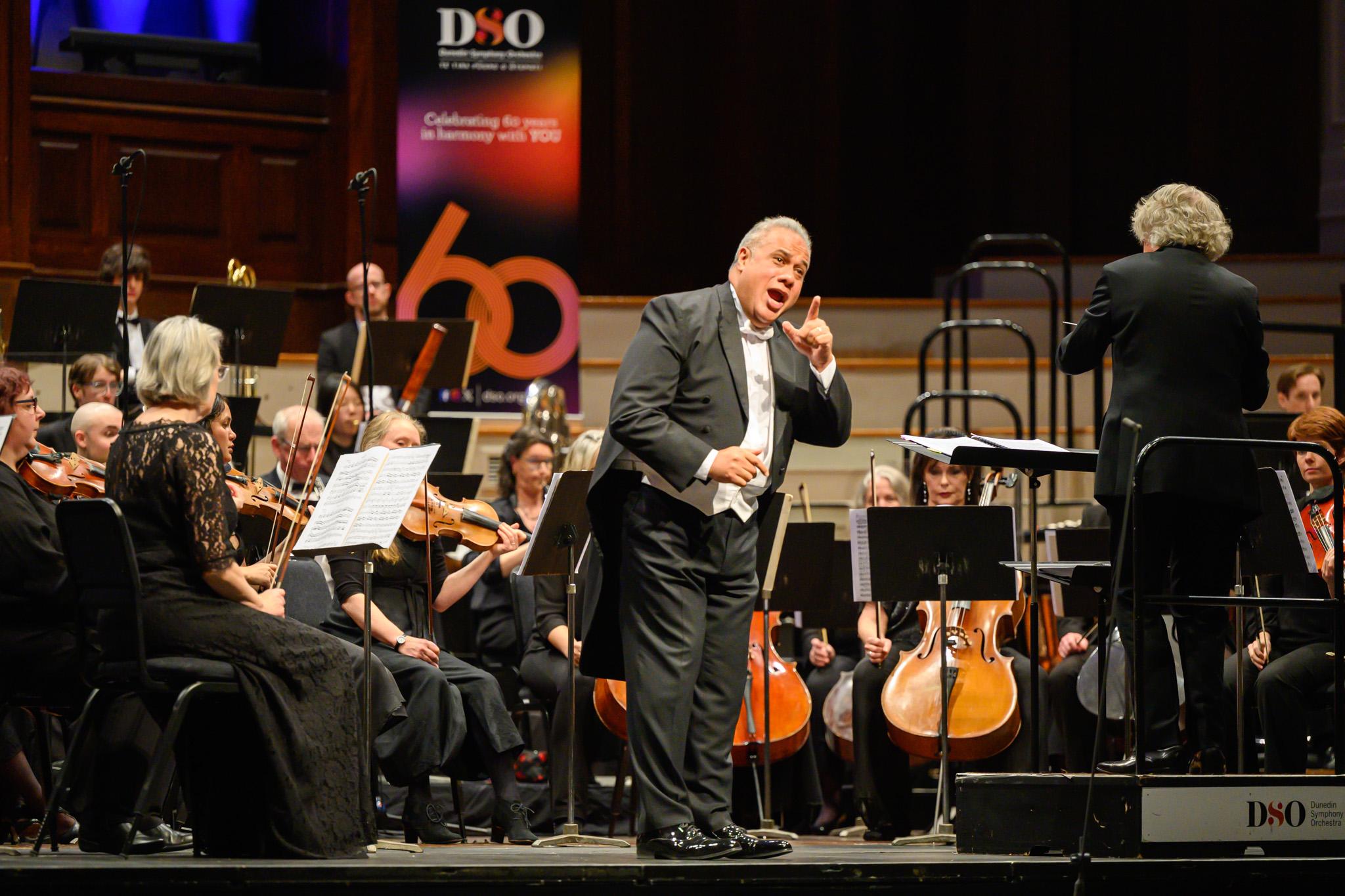
This will be your first time performing with the Dunedin Symphony Orchestra – and it’s during its 60th anniversary year.
I’m delighted to join DSO for this milestone and to be part of such a remarkable collaboration. Mahler’s Second Symphony is the perfect work for this occasion, and I’m looking forward to experiencing Dunedin’s wonderful Town Hall acoustic and sharing this powerful music with the audience.
Share article:
Other News & Reviews




Stay Tuned.
Keep current about all things DSO.


2026 Dunedin Symphony Orchestra
(Registered as Dunedin Civic Orchestra Incorporated. Registered Charity CC34031.
Address
PO Box 5571
Dunedin 9054
New Zealand
Hanover Hall
65 Hanover Street
Dunedin 9016
New Zealand








Address
PO Box 5571
Dunedin 9054
New Zealand
Hanover Hall
65 Hanover Street
Dunedin 9016
New Zealand
Connect


2026 Dunedin Symphony Orchestra
(Registered as Dunedin Civic Orchestra Incorporated. Registered Charity CC34031.